

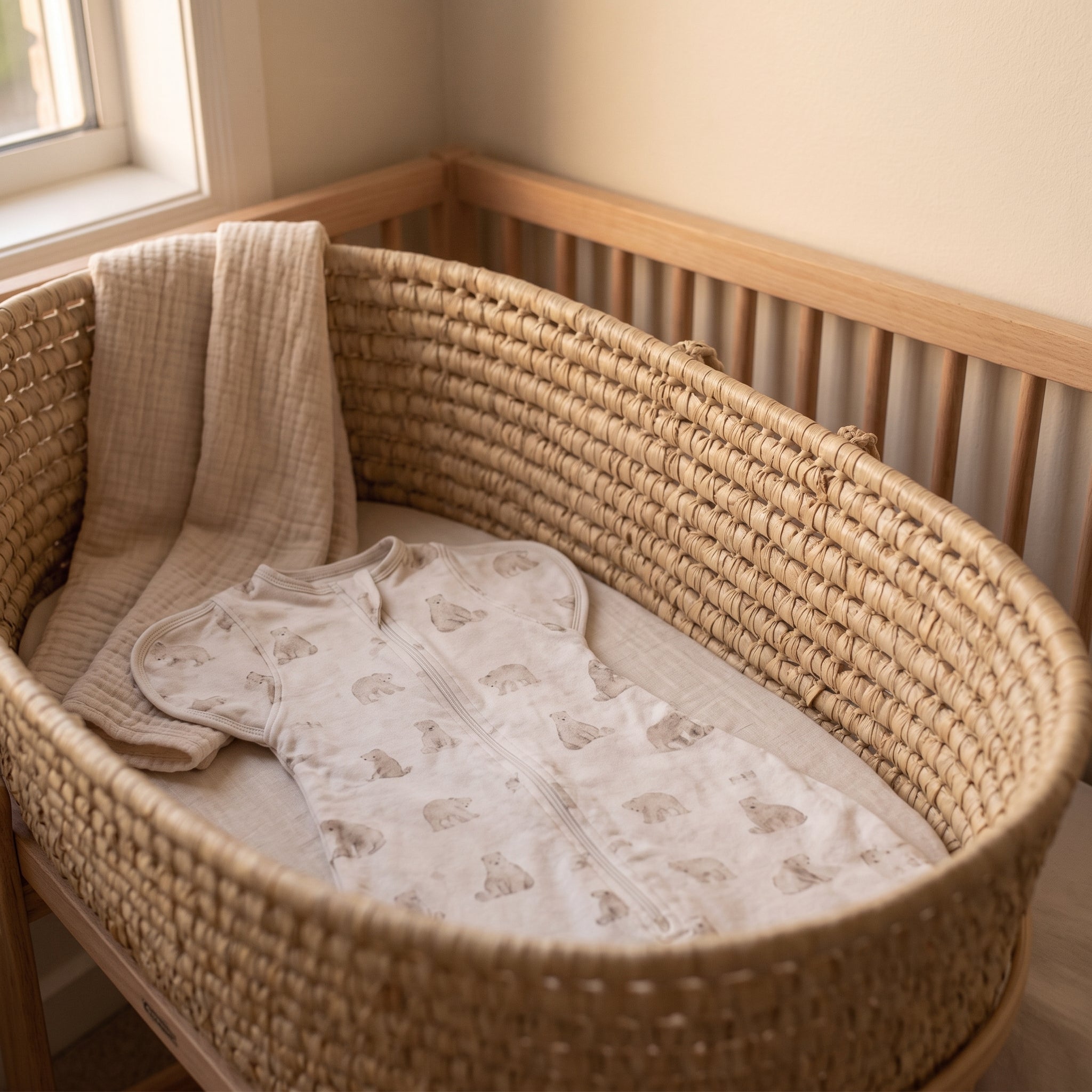
If you've spent the last few nights rocking, shushing, and quietly negotiating with a baby who refuses to close their eyes — you're not doing anything wrong. Newborns aren't built to sleep the way we expect them to. They're built to wake often, because that's how they survive the first few months.
What you can do is make sleep easier to fall into. Not faster in the sense of a trick or a shortcut — but faster because you've removed the things standing in the way. Here's what actually helps, based on paediatric sleep guidance, not internet folklore.
Why your newborn isn't "bad at sleeping"
A newborn sleeps 14 to 17 hours a day, but rarely for more than 2 to 4 hours at a stretch. Their internal clock — the one that tells adults it's night-time — hasn't developed yet. So a baby waking every two hours at 3 weeks old isn't a problem to fix. It's biology to work with.
This matters because most "tips" online treat newborn sleep like a switch you can flip. It isn't. The goal in the first few months is to support the pattern, not override it.
Start with safety — it's the foundation, not a footnote
Before bedtime routines or swaddles, the single most important thing is how your baby sleeps, not how long. Paediatric bodies including the American Academy of Pediatrics recommend what's sometimes called the ABC rule:
- Alone — in their own crib or bassinet, not in your bed
- Back — placed on their back for every sleep, every time, including naps
- Crib — on a firm, flat surface, with nothing loose inside it: no pillows, no soft toys, no extra blankets
Room-sharing (baby's cot in your room, not your bed) for at least the first six months is also linked to a lower risk of Sudden Infant Death Syndrome (SIDS). None of this is about fear — it's just the groundwork that makes everything else safe to try.
If anything about your baby's breathing, feeding, or sleep feels off, that's a conversation for your paediatrician, not a search engine.
Build a routine your baby can recognise
Newborns can't tell time, but they can recognise patterns. A short, repeated sequence before sleep — feed, dim the lights, a quiet song, a swaddle — starts to signal "this is what comes before sleep." It won't work on night one. By a few weeks in, most babies start responding to the pattern itself.
Keep it simple:
- Feed in a dim, quiet room
- A gentle wind-down — a soft hum, slow rocking, or a few minutes of skin-to-skin
- Swaddle (more on this below)
- Place baby on their back, awake but drowsy, if possible
Swaddling done right — and why the arm position matters
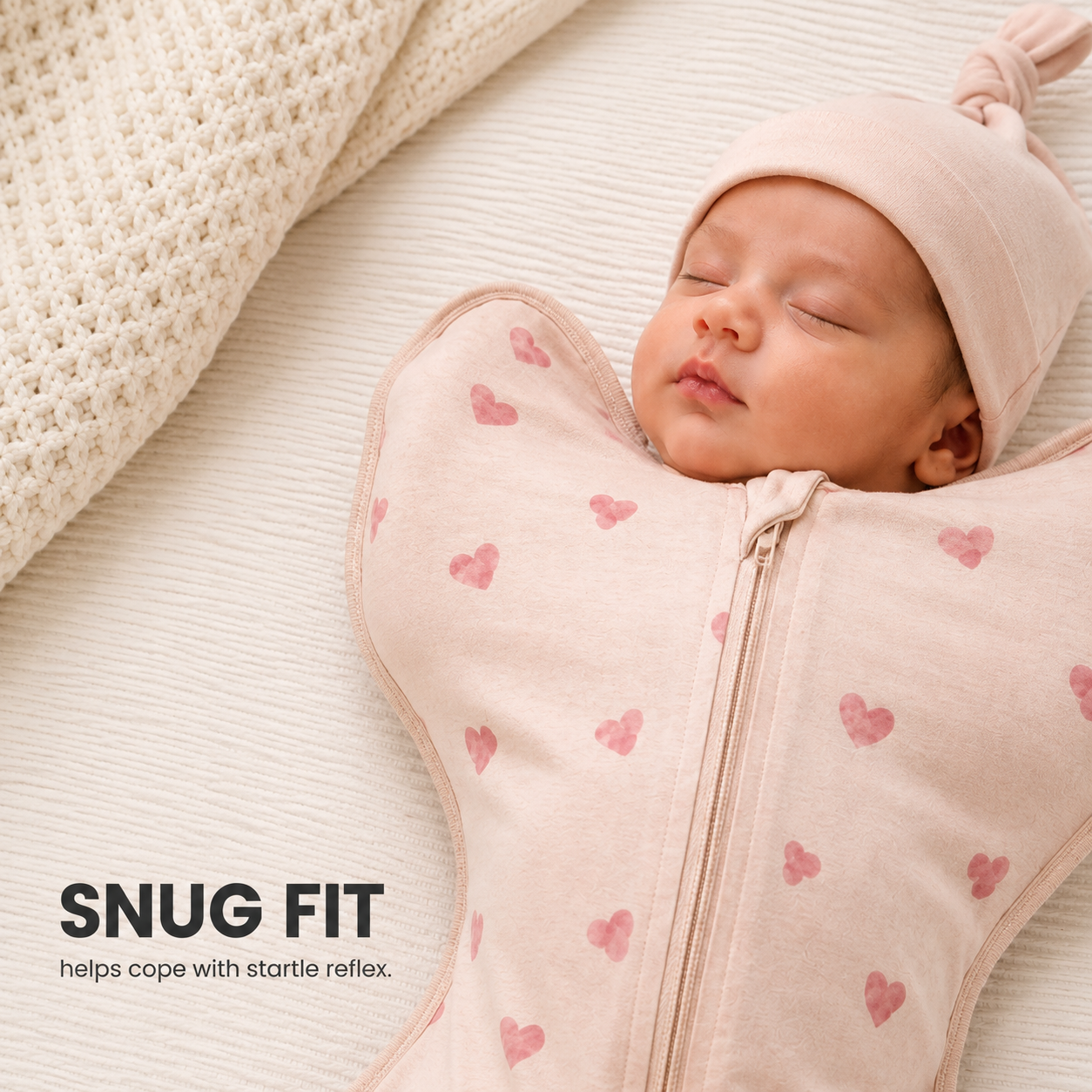
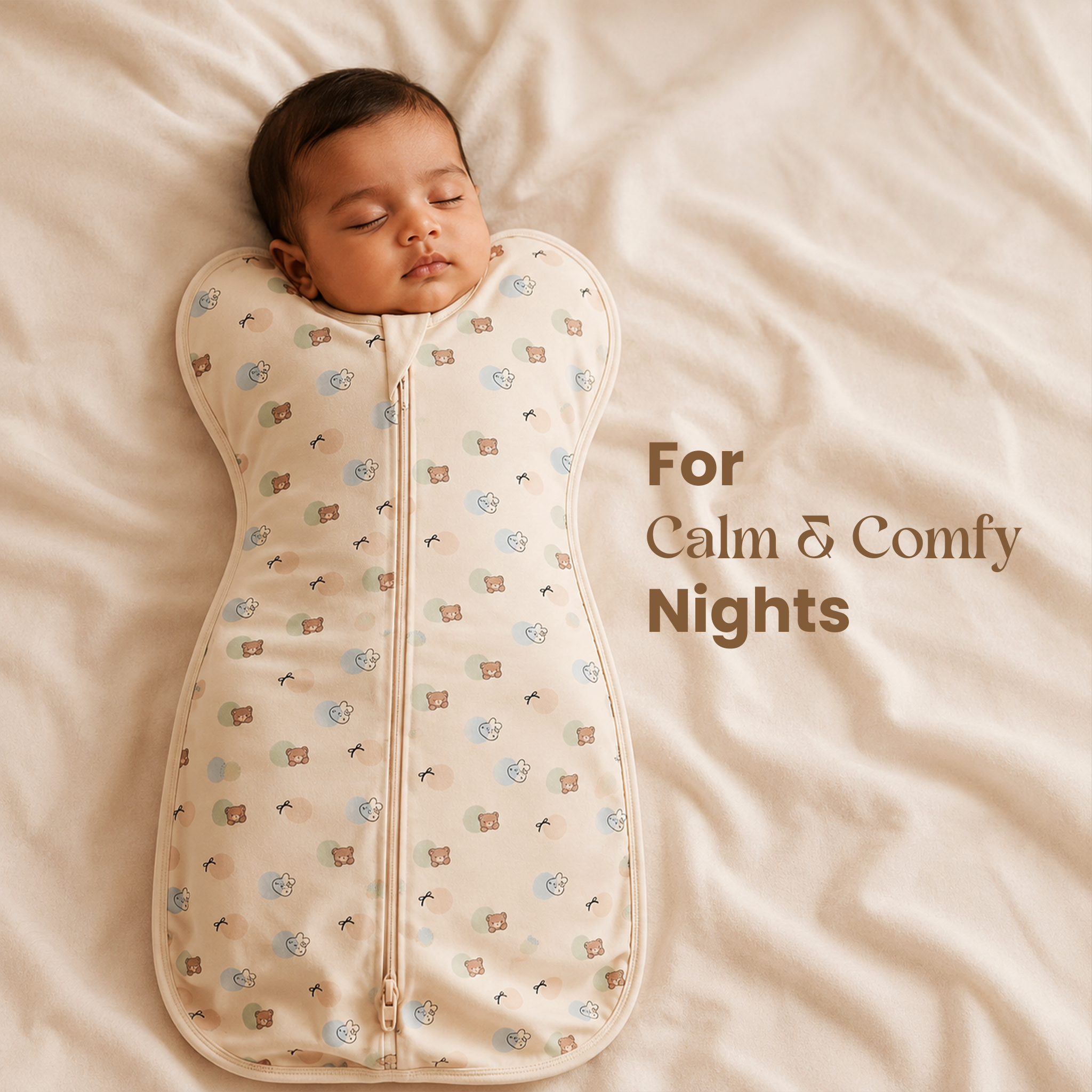
Swaddling can genuinely help a newborn settle. It recreates some of the snugness of the womb and can reduce the startle reflex that often jolts babies awake right as they're drifting off.
But how a swaddle is built changes what it does:
- A traditional swaddle wraps the arms down and in. It can feel secure, but if it's even slightly too loose, the fabric can come undone near the face — which is a real suffocation risk.
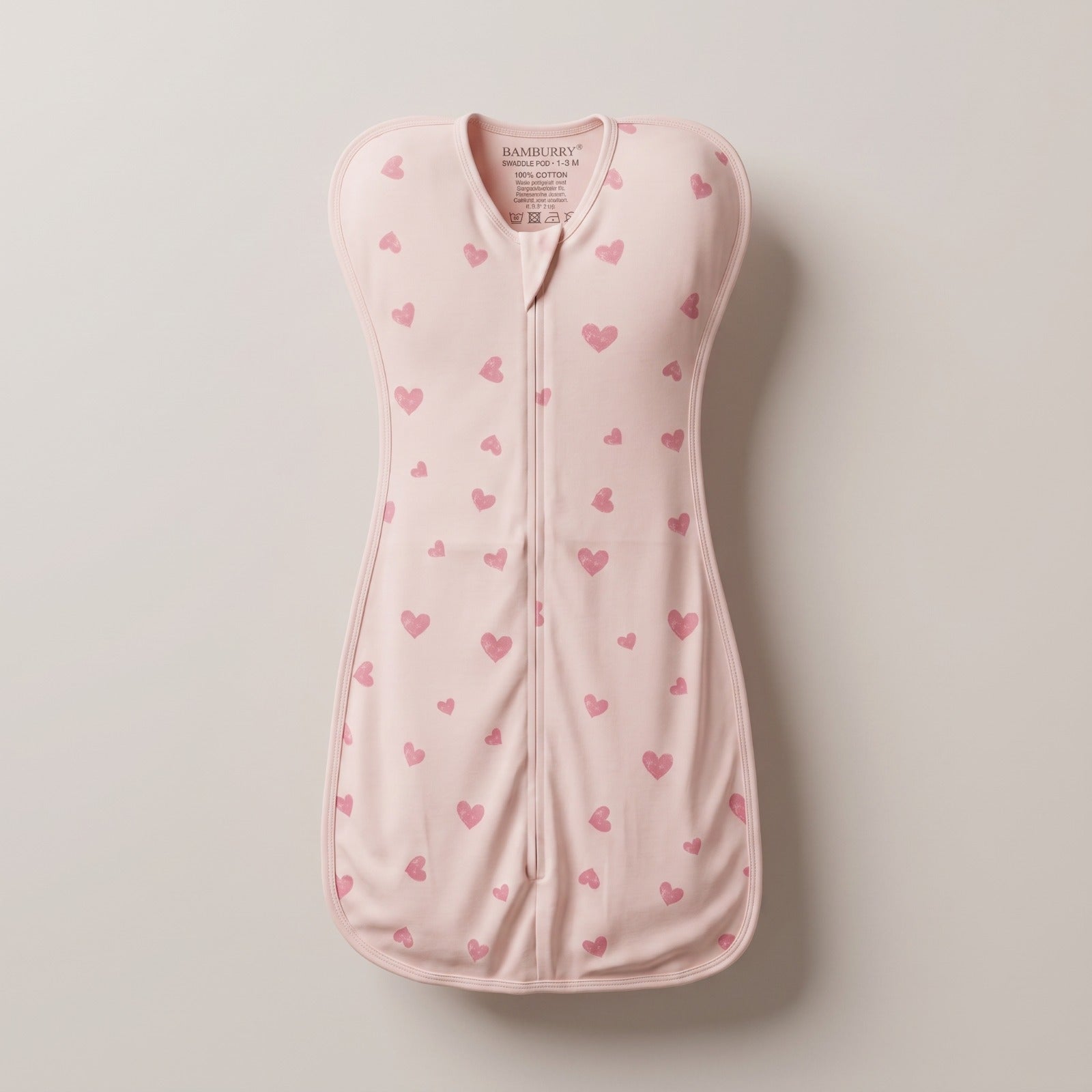
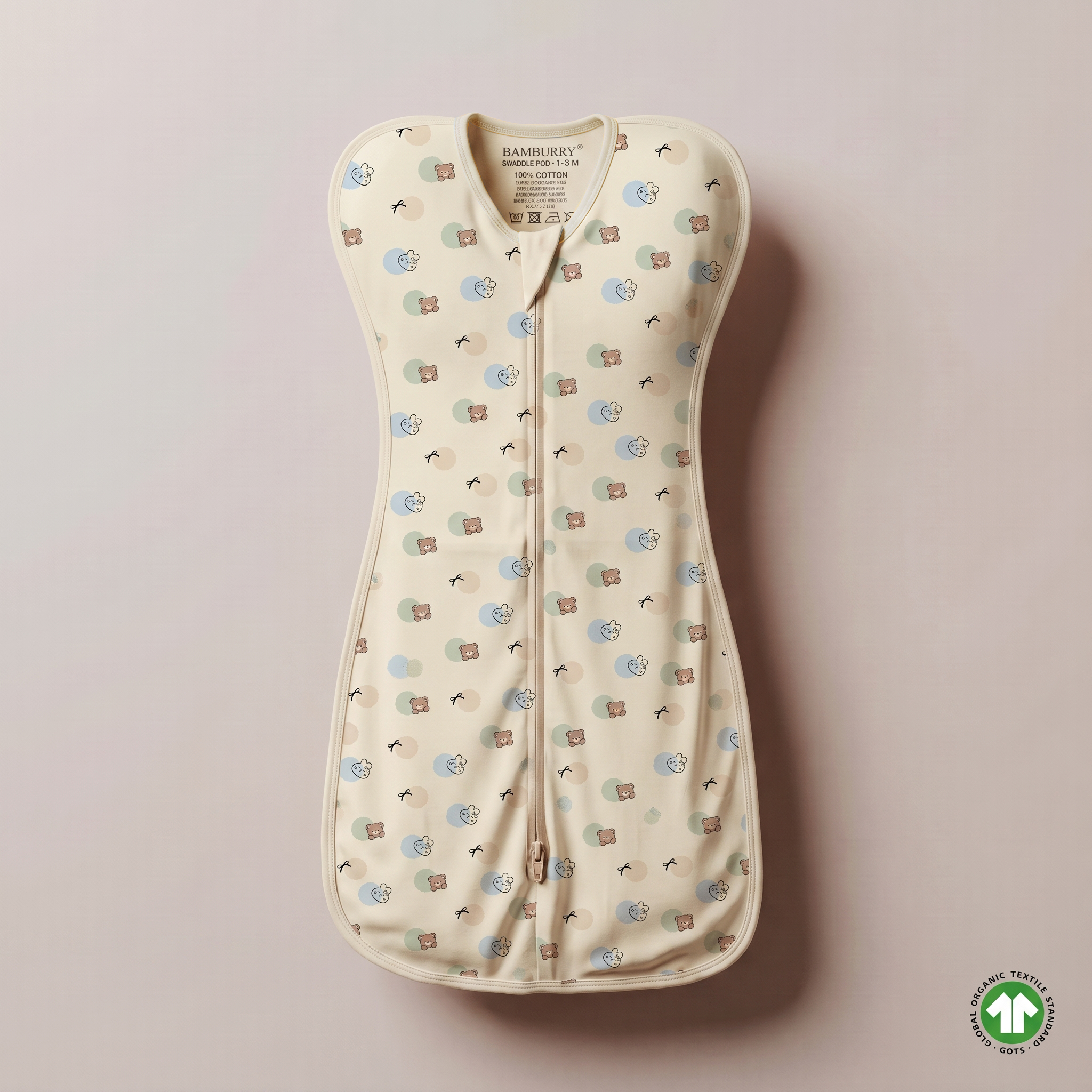
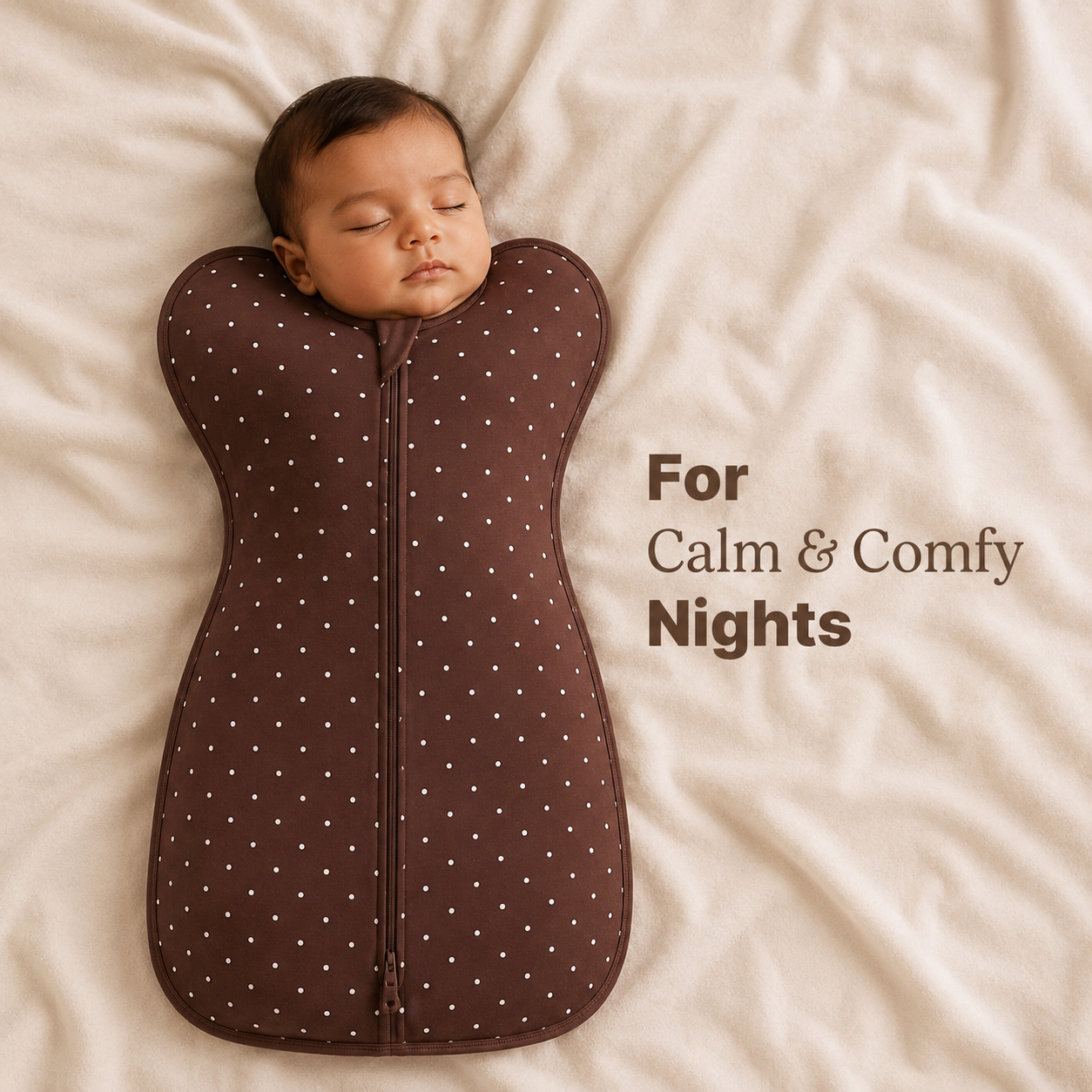
- A hands-up swaddle keeps the arms up near the face instead of pinned down. Paediatric sleep researchers note this is actually closer to a newborn's natural resting position — many babies settle into it on their own. It also means less loose fabric near the airway, and it gives your baby their hands for self-soothing — something a fully wrapped swaddle takes away.
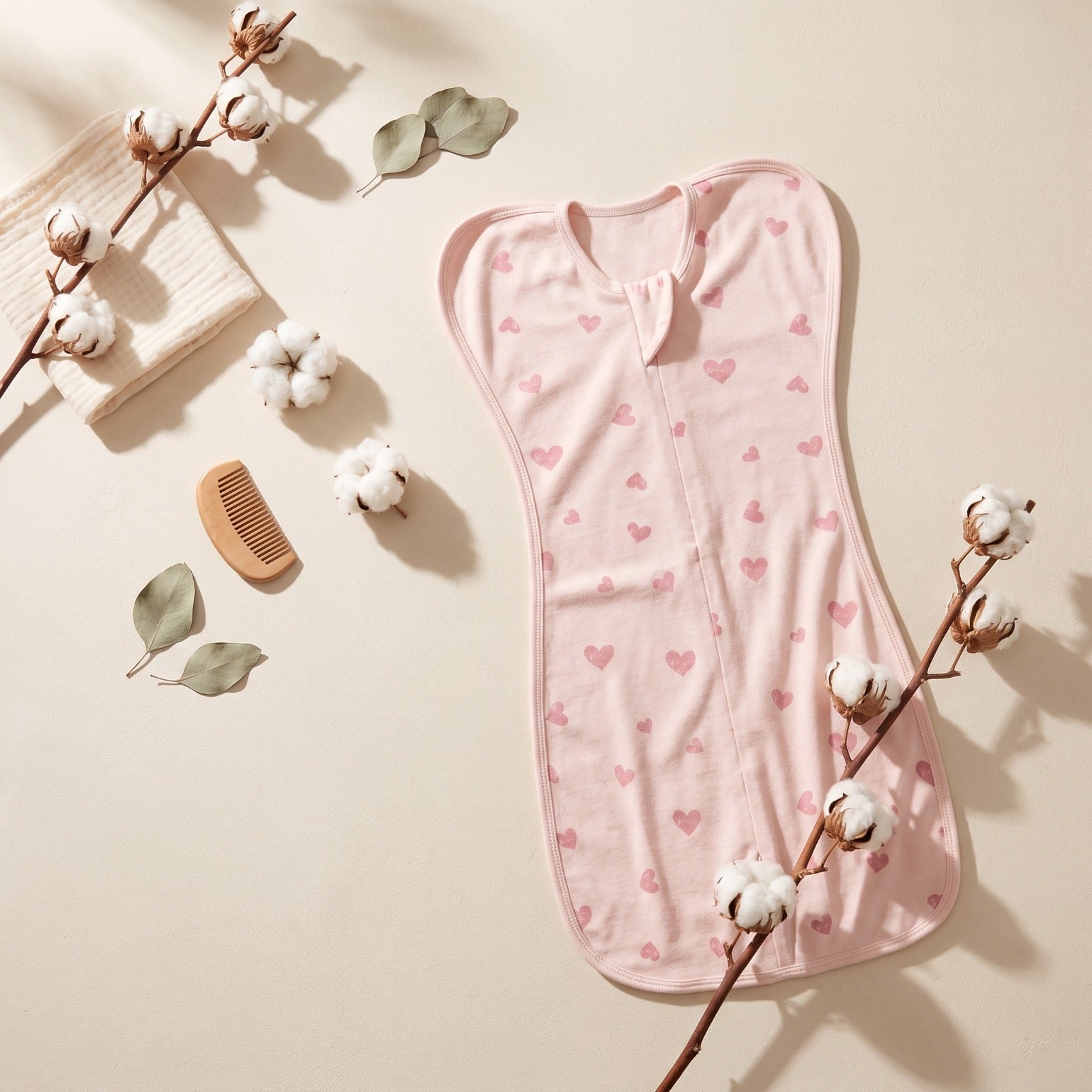
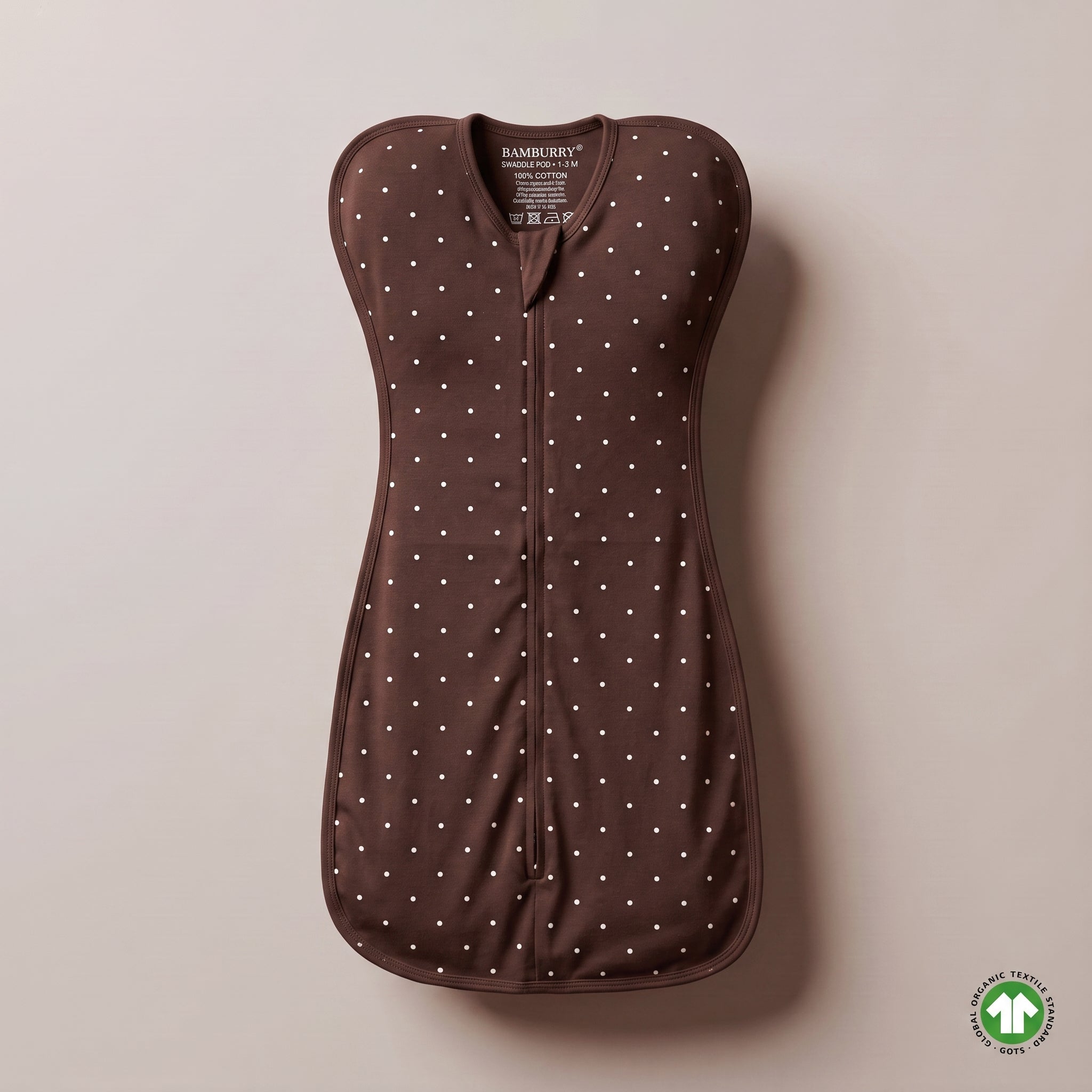
This is exactly why Bamburry's Swaddle Pod is built as a hands-up design, not a wrap-down one. It's not a styling choice — it came from looking at what actually keeps a baby secure without boxing in the one thing, their hands, that helps them settle themselves.


See the full Hands Up Swaddle Pod range →
Whichever style you use, three safety rules don't change:
- Always place a swaddled baby on their back
- The swaddle should be snug around the chest, but loose enough at the hips for natural leg movement
- Stop swaddling the moment your baby shows signs of rolling — usually around 2 months, sometimes earlier
The fabric and the room matter more than people think
A baby who's too warm or too cold wakes up. In most of India, that means thinking about heat more than cold:
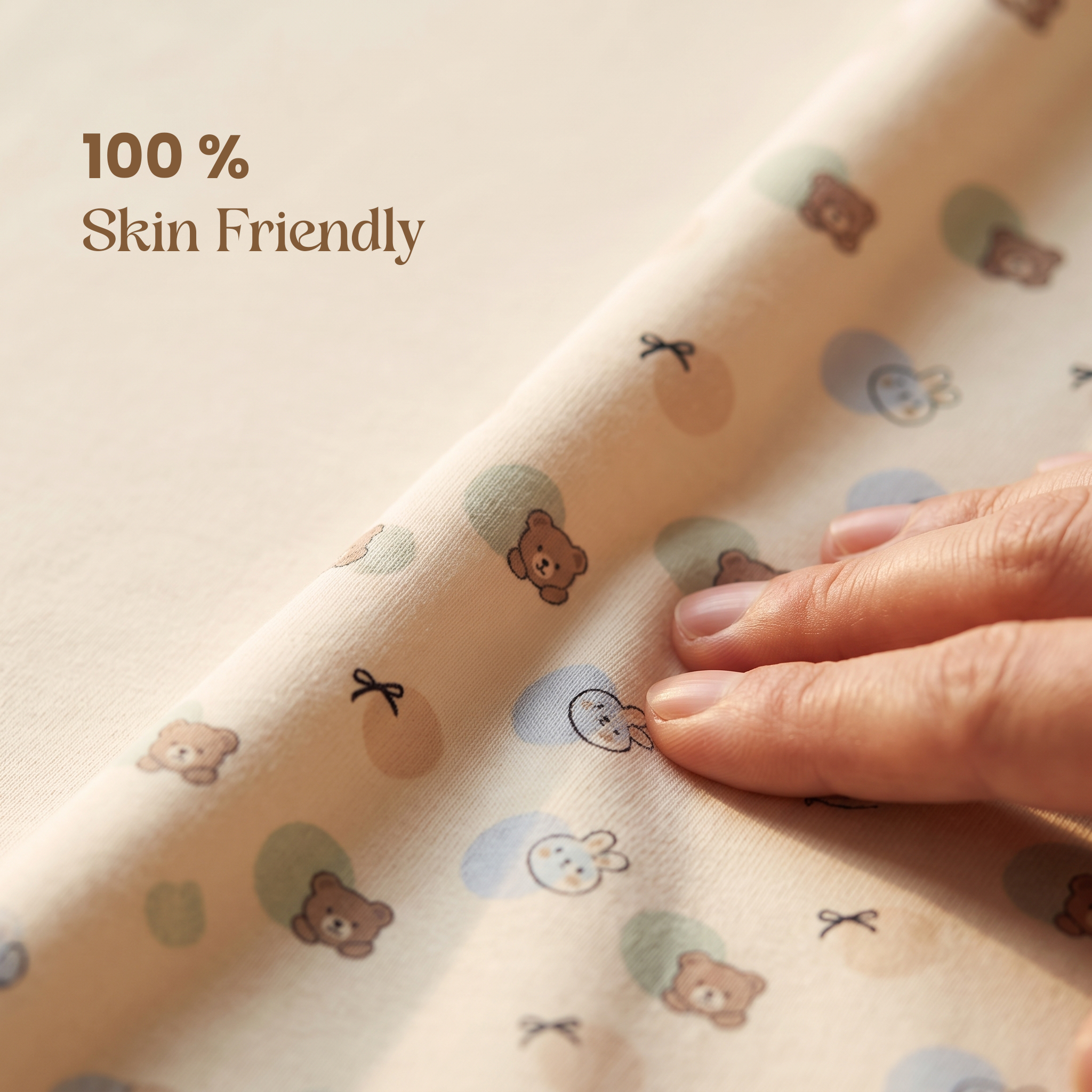
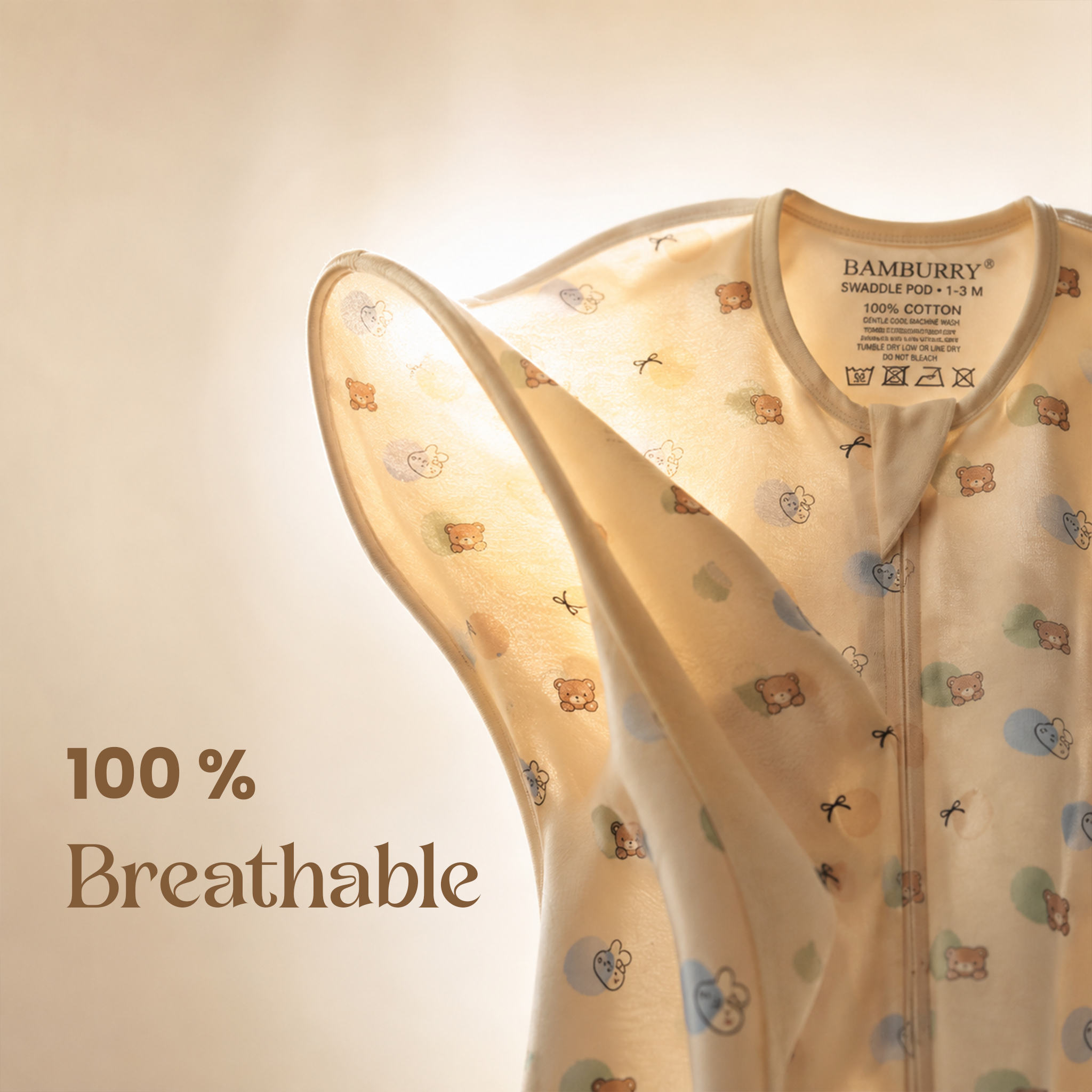
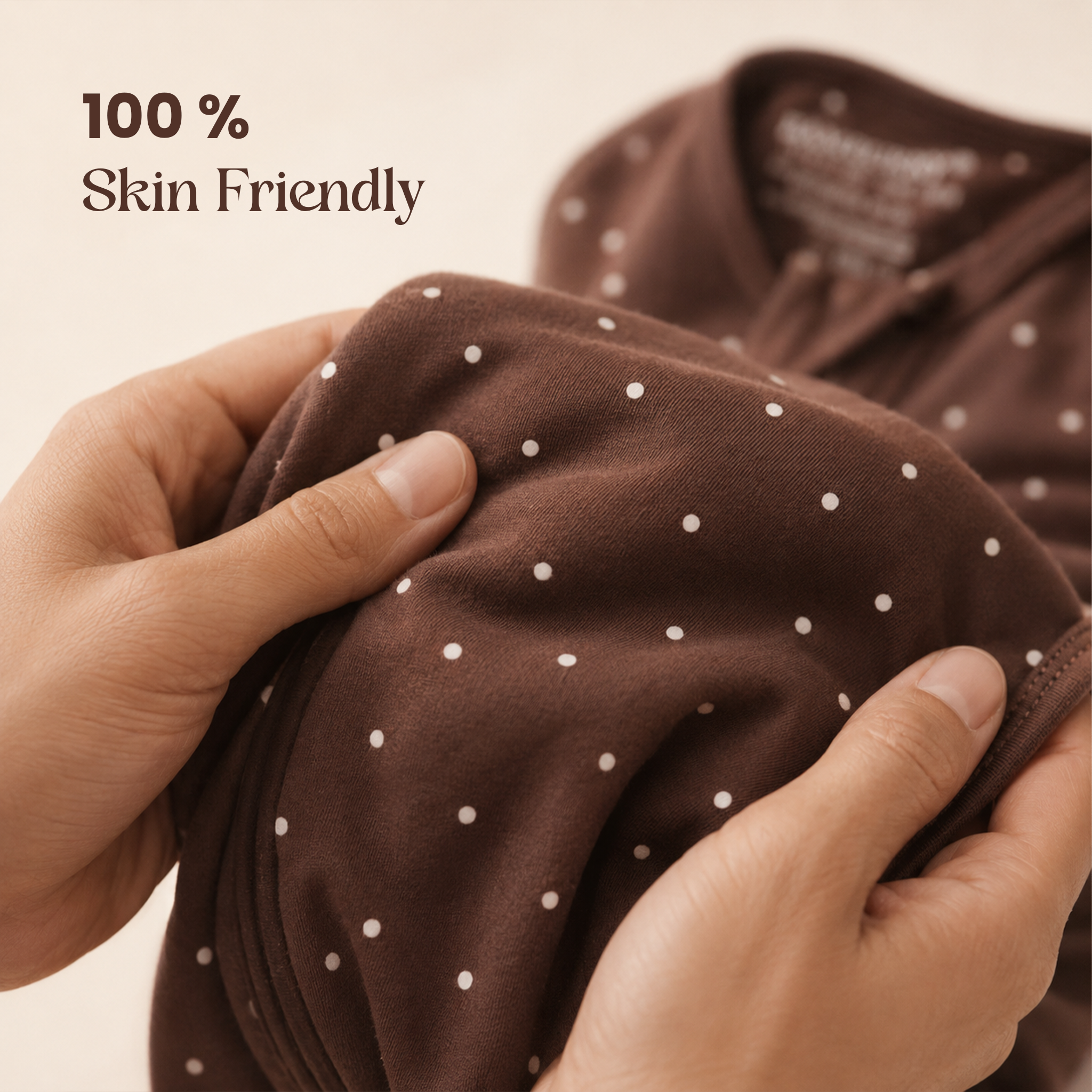
- Breathable cotton over synthetic blends. Synthetic fabric traps heat against the skin; cotton lets air move. This matters more overnight, when a baby is in the same fabric for hours without anyone adjusting it.
- A dark, quiet room — blackout curtains and a consistent white-noise sound (a fan works fine) help mask the household sounds that are unavoidable in most Indian homes.
- Room temperature, not bundling, is the lever. It's more useful to adjust the room than to add layers — overheating is a more common problem than people expect.
When to call your paediatrician
Most newborn sleep struggles are developmental, not medical. But check in with your doctor if your baby: struggles to feed alongside poor sleep, seems unusually difficult to wake, has breathing that sounds laboured, or if something simply feels different from their normal pattern. You know your baby; trust that instinct enough to ask.
A few honest answers
Why does my newborn fight sleep even when clearly tired?
Overtiredness in newborns often shows up as more fussing, not less — their nervous system is still learning to wind down. A consistent pre-sleep routine helps more than waiting for them to "tire themselves out."
Is it safe to swaddle every night?
Yes, as long as your baby is placed on their back, the swaddle isn't too tight at the hips, and you stop once they start trying to roll.
How many hours should a newborn sleep at night?
Total sleep across 24 hours is usually 14–17 hours, but in short stretches — long unbroken nights aren't typical until several months in. That's normal, not a sign anything is wrong.
Does a hands-up swaddle really make a difference?
It changes how secure the swaddle stays through the night and gives your baby access to their hands for self-soothing — both of which can mean fewer startled wake-ups.
This article shares general information based on current paediatric sleep guidance. It isn't a substitute for advice from your baby's doctor — when in doubt, ask your paediatrician.


Share:
What "Comfort-First" Really Means (And Why We Don't Say "Premium")
Breastfeeding Diet: 10 Foods to Eat and 16 Foods to Avoid